Coloring changes how you feel. When a kid sits down and picks a color, things just slow down a bit. That's why I love sharing coloring pages with families. Kids use their hands. They notice the little details. They make choices that feel like their own. Families can use these pages after school, on quiet weekends, or just whenever everyone needs a break from screens. ColoringPagesCreative brings these activities together for families who want more creative time at home. And here's the thing: every finished picture becomes more than just paper. A kid might remember the colors, the conversations, and how everything felt.
1. Turn a Busy Day Into a Quiet Coloring Break
When days get busy, kids don't have much time to relax. Coloring is a simple way to slow things down, and it doesn't turn quiet time into another planned activity. A parent can set a picture on the table, put out some crayons, and let the child begin. The child just looks at the page and starts. That's why I like simple pages — kids can spend their time coloring instead of figuring things out.
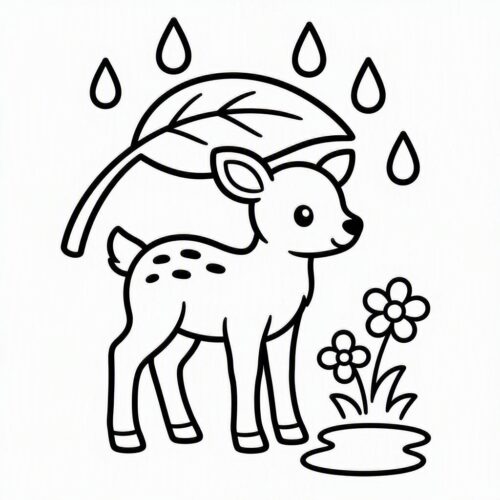
One easy method to slow things down is to color
1.1 Create a Calm Space Away From Screens
Children have access to screens all day long – from phones and tablets to games and TV — but coloring is quite the opposite. It starts with a child looking at the line, choosing a color, and slowly filling in just one space. Their hands are moving, but there is no rush at all.
There's no need to set up a whole separate room for creating art. All you need is a clean table and a box of crayons or colored pencils to place on it. Choose just one image for your child to color, as too many options could make your child feel confused.
1.2 Make Coloring Part of Everyday Downtime
Give your child ten minutes to color after school, or keep a few coloring sheets ready for a rainy day. You can simply place a coloring page on the dining table for your child while you cook dinner — no extra planning needed.
I personally don't think coloring has to be purposeful every single time. A child doesn't necessarily have to finish anything — coloring can be very relaxed and spontaneous. Some sessions can be short and relaxing, and the child can color just a flower or one animal, or even just parts of the picture, before leaving it. The child can take their time coloring carefully, or simply leave the picture unfinished whenever they're ready to stop.
2. Let Colors Follow the Mood of the Moment
When your child is relaxed enough, coloring becomes an amazing thing in itself, since they will be able to create whatever they want. Depending on their mood, they might choose bright colors like red, yellow, and blue, or softer, quieter shades. The outline is already there — your child decides everything about the color.
2.1 Choose Pictures That Match Different Moods
There's always a picture that fits the moment. You can choose a fun picture with animals for a lively day, while a nature picture works well on a weekend morning when you need something quiet. Pictures with fantasy scenes may let children imagine unique places. If your daughter loves the ocean, for example, a beach scene can turn an ordinary afternoon into her favorite part of the day.
Give your children two topics to choose from — it will add a personal touch to this activity. It's one of the things I think about often when I'm creating printable coloring pages pdf. ColoringPagesCreative is simply the website that lets me do that, offering free printable coloring pages that are easy to print and simple to use. You can begin with an easy picture, but really, it depends on the topic that will define the whole coloring atmosphere.
2.2 Encourage Personal Color Choices Without Rules
Children do not always need to use realistic colors. A cat can be purple, a moon can be green, a car can have every color of the rainbow — none of these choices needs to be corrected.
Adults see a picture and think about what it should realistically look like. Kids see it totally differently. They pick colors because they like how they feel, or because it reminds them of something they love, or because two colors look good together — and that's okay. Kids need to feel free to color without being scared they're doing it wrong. When they feel that freedom, something great happens: they start talking about their colors and why they picked them. It never feels like a test.
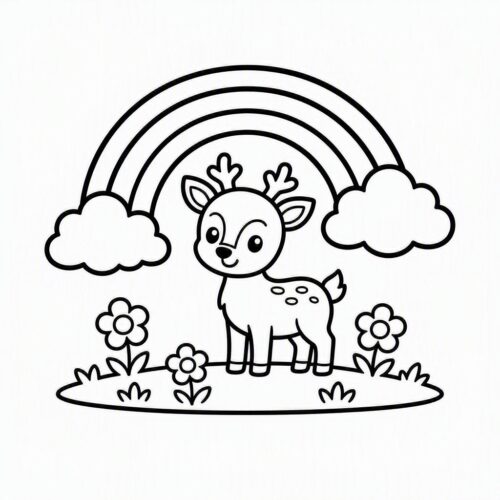
It's not always necessary for kids to utilize realistic colors
3. Make Coloring Time a Small Family Ritual
Coloring may start out as something one child does alone, but it can quickly turn into a fun family activity. Parents can color next to their children, and siblings can color their own separate pages. Grandparents can also get in on the action when they come over. As this activity does not require much preparation, families can color together anytime they like.
3.1 Share Colors, Stories, and Little Conversations
Family coloring time can create conversations without any pressure. A kid can talk about their favorite animal while they're coloring the picture. A parent can tell a story about a place that looks like what's on the page. Two siblings can compare their colors or trade pencils.
The paper gives all of us something to look at, but the discussion could go anywhere. That's why it all feels so natural.
When children's hands are busy, they tend to speak more. There is no need for parents to ask a lot of questions. It is enough to gather around the table and just start talking. Someone will make a joke about an unusual color, and someone else will invent the name of a character. I appreciate such moments when people color at different rhythms but share one table.
3.2 Create Simple Coloring Traditions at Home
Coloring doesn't have to be a strict tradition either, just something fun and flexible. Sundays could include one new coloring page and a warm drink in the morning. During holiday afternoons, families might color seasonal pages as well.
Family traditions can evolve based on changing schedules. If there is one week when everyone cannot participate, it doesn't matter. You don't need to follow the schedule to the letter. What matters is having something dependable that everyone can count on. You could also incorporate the seasons into your tradition — each one brings its own feeling to the collection:
Spring: flowers and gardening
Summer: beaches and adventures
Fall: falling leaves and pumpkins
Winter: snow and cozy days indoors
4. Keep Finished Pages as Colorful Little Memories
It does not have to stop once all the crayons go back into the box. The finished artwork shows what mattered most to a child at that age. It can also show a child's favorite colors and how their skill with crayons and pencils has improved. There is no need to save every piece of art that a child creates — a few special ones should be saved.
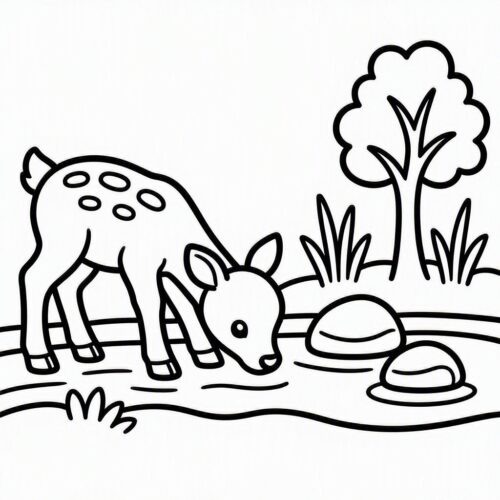
What was important to a youngster at that age is depicted in the completed artwork
4.1 Turn Finished Artwork Into Gifts and Decorations
Completed coloring pages can be used to decorate various areas of the house. The child might hang their favorite artwork on their bedroom wall. Parents can use seasonal artwork to decorate the fridge. Special pieces of artwork can be framed for display.
Many pages can also serve as meaningful gifts:
Colorful flower pictures for grandparents
Holiday pages turned into greeting cards
Framed seasonal art for a wall or fridge display
It doesn't matter how good they come out — what matters is the time your child spent thinking about the art.
Update the display whenever new work appears. Put up the new pages and take down the old ones. Keep the favorite pieces in a folder so they don't get damaged. Let the children choose what will stay in the display so they will appreciate their own work!
4.2 Build a Collection of Moments Worth Remembering
A family memory collection doesn't have to be fancy. Just have a parent write the date on the back of the page, and have the kid write down a quick note about what the picture means. Put all the pages in a folder or box and keep them together.
It might seem that these things are not very significant, but they actually are. A picture of a dino could remind you of the year when dinosaurs were your kid's favorite thing — like the phase when your son colored every dinosaur green because, in his words, "green is a dinosaur color." A page with winter could make you think of that day you spent together indoors. The collection also shows the changes in a child's skills and interests — while the first pages can look like large color spots, the last pages are drawn with lots of care.
There's no need to compare them side by side. What I find interesting is the way a child starts to notice certain things and discover what they like.
I share coloring pages with people because doing so is a simple way to slow down, be creative, and create memories. Your child may take a blank page and create something of their own. One family may sit down quietly and, by the end of the process, find out that they had a wonderful time. To my mind, ColoringPagesCreative: Free Printable Coloring Pages to Relax presents this idea in the best way possible, since one coloring page offers you a simple but relaxing process, a creative activity, and a memory that stays long after the picture is done.